
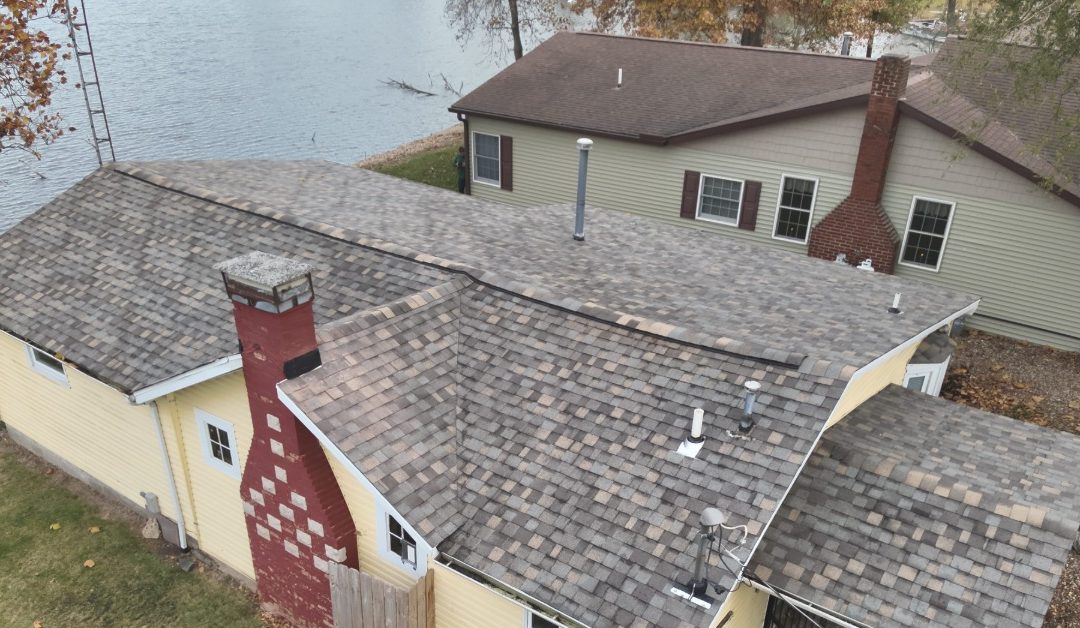
Storm damage does not always leave obvious signs behind. A roof can look fine from the ground while moisture, loosened materials, or structural stress continue to spread beneath the surface. After heavy rain, hail, strong wind, or flying debris, hidden roof damage can turn into expensive repairs.
Property owners should know what to watch for after severe weather passes. A careful visual check can help you catch early warning signs, but some damage requires a trained roofer to confirm. Below, we’ll show you how to spot hidden roof damage after a storm.
Why Hidden Roof Damage Is Easy to Miss
Storms can damage roofing materials without creating an immediate leak. Wind can lift shingles, loosen flashing, or separate seams, then leave those materials looking mostly intact once the storm ends. Hail can bruise shingles, dent metal, or weaken membrane surfaces without punching a visible hole through the roof.
Water can also enter through small gaps and travel away from the original entry point. By the time a stain appears on a ceiling, moisture can already soak decking, insulation, or wall cavities.
Start With a Safe Ground-Level Inspection
You should never climb onto a storm-damaged roof without proper training, equipment, and fall protection. Wet shingles, loose granules, damaged decking, and hidden weak spots can create unsafe conditions. A ground-level inspection gives you useful information without putting yourself at risk.
Walk around the property and look for visible changes. Check the roofline, gutters, siding, fascia, soffits, downspouts, and nearby landscaping.
Look for Missing or Shifted Roofing Materials
Strong wind can tear off shingles, move panels, or loosen roof edges. Missing materials create an obvious concern, but shifted or lifted materials can be harder to spot. From the ground, look for uneven rows, raised edges, curled corners, or sections that no longer line up with the rest of the roof.
On commercial roofs, wind can pull at membrane edges, seams, flashing, coping, and rooftop penetrations. Even slight movement can allow water to work underneath the surface during the next storm.
Check for Granule Loss After Hail or Heavy Rain
Asphalt shingles rely on protective granules to block UV exposure and shed water correctly. Hail, wind-driven rain, and flying debris can knock granules loose. You may notice dark patches on shingles, exposed asphalt, or piles of granules near downspouts.
Granule loss does not always mean the roof will leak right away. However, it can shorten the life of the shingles and make the roof more vulnerable to sun, moisture, and future storms.
Inspect Gutters, Downspouts, and Drainage Areas
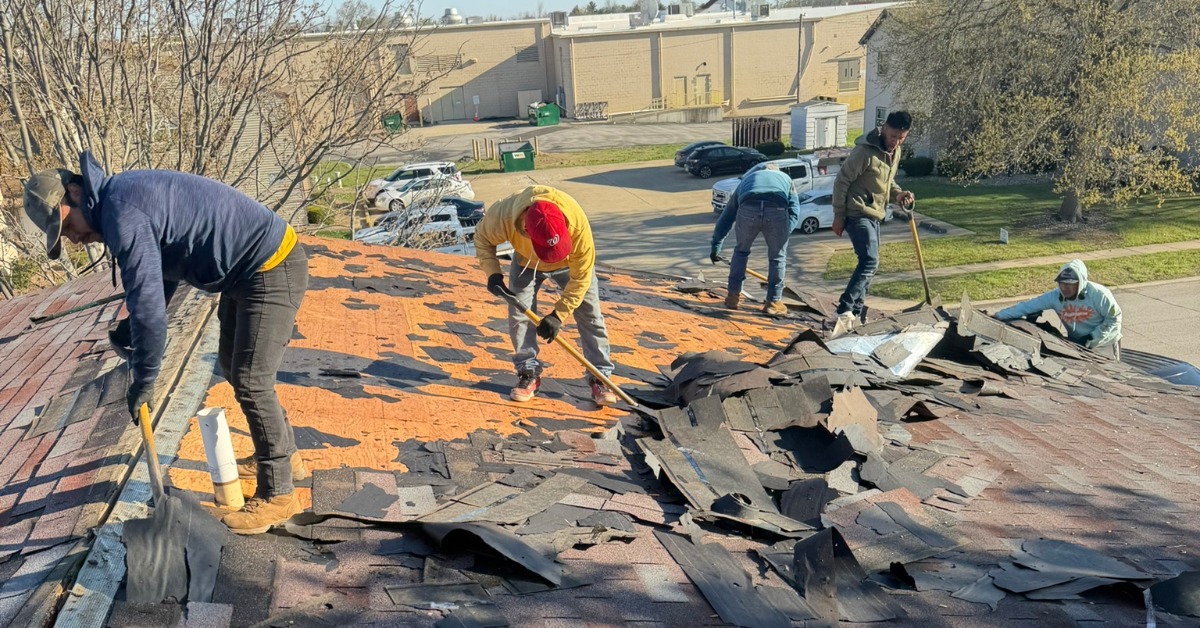
Another way to spot hidden roof damage after a storm is to check the gutters, downspouts, and drainage areas. After a storm, inspect the gutters for dents, cracks, loose fasteners, and debris buildup. Hail marks on gutters or downspouts may also suggest impact damage on the roof above.
Poor drainage can make storm damage worse. When gutters clog or pull away from the roofline, water can back up under roofing materials, spill near the foundation, or soak fascia boards.
Watch for Loose Flashing and Damaged Roof Edges
Flashing protects the vulnerable areas around chimneys, vents, skylights, walls, and roof transitions. Storms can bend, loosen, or separate flashing from the surface it protects. Once that happens, water can enter through gaps that remain difficult to see from the ground.
Roof edges also take heavy stress during wind events. If you notice loose trim, bent metal, separated fascia, or displaced edge materials, the roof may have lost part of its weather barrier.
Look Around the Property for Roofing Debris
Storm damage may show up on the ground before it shows up inside the building. Look for shingles, pieces of flashing, fasteners, sealant strips, insulation, membrane fragments, or broken vents around the property. Even small pieces can point to larger damage overhead.
Check the Attic or Interior for Water Signs
Hidden roof damage may first appear inside the building. After a storm, inspect ceilings, walls, attic spaces, and upper-floor rooms for signs of water intrusion. Stains, bubbling paint, peeling drywall, musty smells, and damp insulation can all signal a roof problem.
Use caution if you enter an attic. Watch for exposed nails, low framing, weak surfaces, and electrical hazards.
Pay Attention to New Stains or Odors
A small ceiling stain may seem minor, but it can reveal a larger moisture path. Water can travel along rafters, pipes, ducts, or wiring before it reaches the visible surface. That means the entry point may sit several feet away from the stain.
Musty odors also matter after a storm. Trapped moisture can create the right conditions for mold and mildew, especially in warm, poorly ventilated spaces.
Look for Changes Around Windows, Doors, and Walls
Roof damage can affect more than the roof surface. Water may travel behind siding, down wall cavities, or around window and door openings. Stains near the tops of walls, warped trim, and damp spots around frames can point to roof or flashing issues.
Understand How Hail Damage Hides in Plain Sight
Hail damage can be difficult to identify without roof training. On asphalt shingles, hail may leave bruises that feel soft to the touch, remove granules, or fracture the mat beneath the surface. Those marks may not create a hole, but they can weaken the shingle and reduce its ability to protect the roof.
On metal roofs, hail may leave dents that affect appearance, coatings, seams, or drainage. On commercial membrane roofs, hail can create punctures, compression marks, or weak areas around insulation boards.
Know When Wind Damage Requires a Closer Look
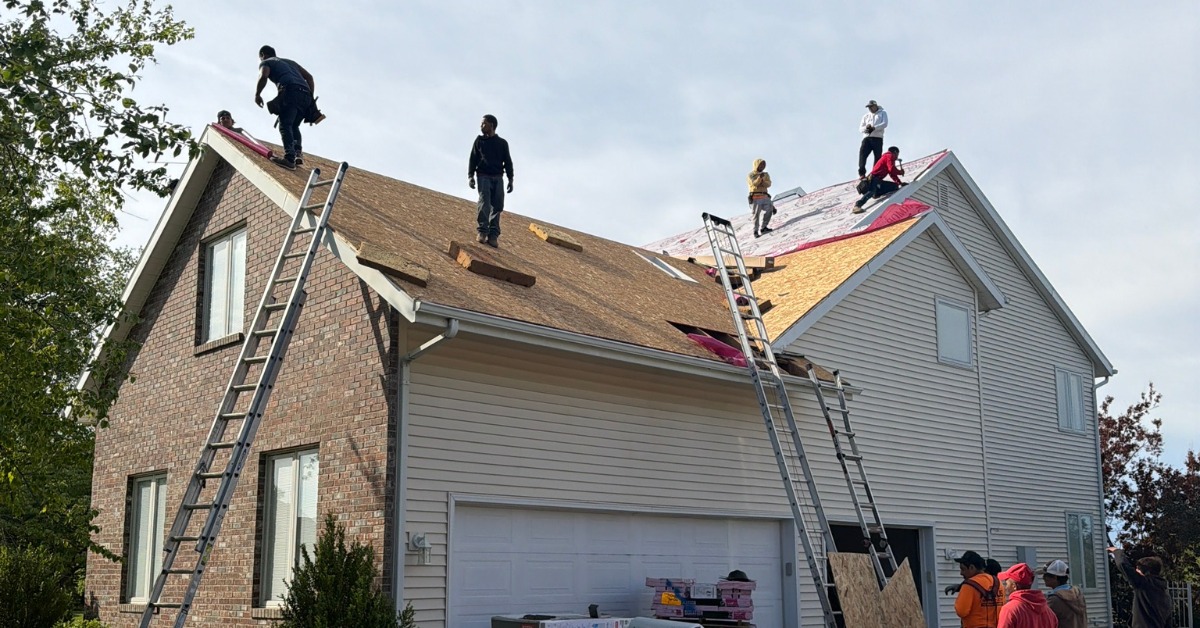
Wind damage can be deceptive because lifted materials may settle back down after the storm. A shingle that looks flat from the ground may have a broken seal underneath. Once that seal fails, the shingle can lift again during the next high-wind event.
Commercial roofs face similar concerns at seams, corners, perimeters, and rooftop equipment. Since these areas protect the roof from water intrusion, even minor separation can create a serious vulnerability.
Document Damage Before Cleanup
After a storm, take photos and videos before moving debris or making temporary repairs. Capture wide shots of the property, close-up images of visible damage, and pictures of interior water signs. Keep records of the storm date, time, and any immediate concerns you noticed.
Temporary protection may help prevent further damage, but you should avoid unsafe work. Do not climb onto the roof, disturb electrical hazards, or remove materials that could shift unexpectedly.
Schedule a Professional Roof Inspection
A professional inspection gives you a more complete understanding of storm damage. Roofers know how to evaluate shingles, membranes, flashing, ventilation, drainage, decking, and penetrations.
An inspection also helps you decide whether the roof needs repair, replacement, maintenance, or monitoring. For commercial properties, a professional can assess roof access points, drains, seams, curbs, and rooftop equipment connections.
Protect Your Roof With Midwest Roofing
Hidden roof damage can develop after hail, wind, heavy rain, and flying debris, even when the roof looks normal from the ground. By checking for missing materials, granule loss, drainage issues, interior stains, odors, and debris, you can spot warning signs before they turn into larger problems.
If you require roofing services in Charleston, IL, Midwest Roofing is here to help. Contact our team and schedule a storm damage inspection today.