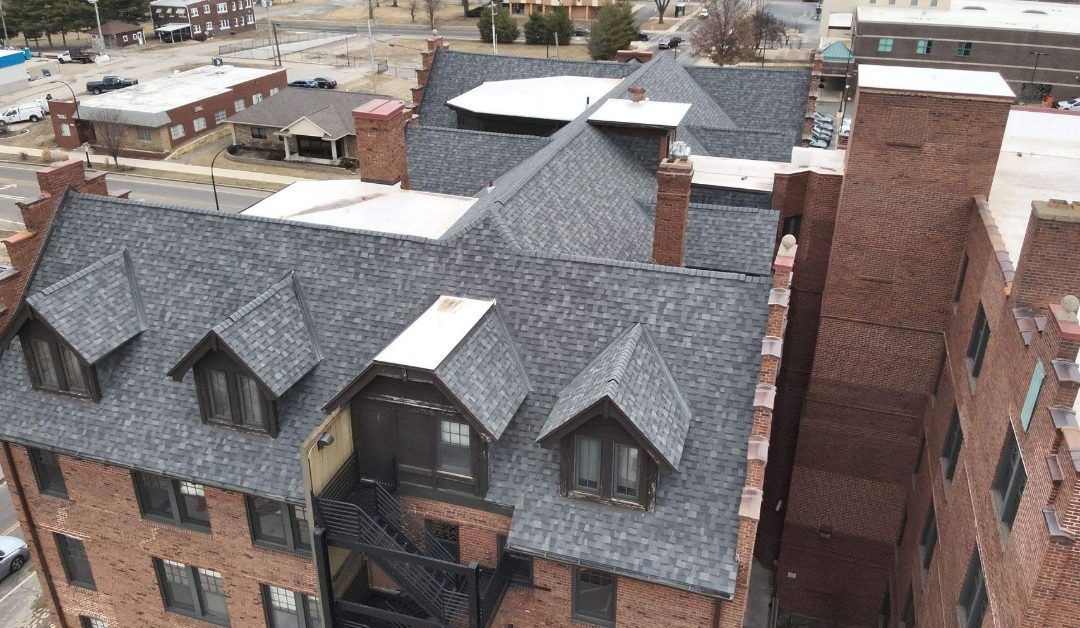
A commercial roof protects more than a building. It protects employees, customers, inventory, equipment, records, and daily operations. When weather wears down that roof, even a small issue can create leaks, energy loss, interior damage, and interruptions that affect the entire property.
Rain, wind, heat, snow, ice, and hail all challenge commercial roofing systems in different ways. Keep reading to understand how weather impacts your roof over time, and what you can do to protect it.
Why Weather Matters to Commercial Roof Performance
Commercial roofing systems must handle constant exposure. A roof may look stable from the ground, but weather can slowly weaken materials long before a leak appears inside. UV rays can dry out surfaces, wind can stress seams, rain can test drainage, and freezing temperatures can expand small openings.
Commercial buildings also have details that require close attention. HVAC units, vents, drains, skylights, parapet walls, and access points all create areas where weather can cause problems. A strong maintenance plan helps property managers and business owners protect the roof, extend its service life, and reduce the risk of unexpected repairs.
Rain Can Reveal Drainage and Membrane Problems
Rain puts every commercial roof to the test. Low-slope and flat roofing systems need proper drainage because water does not run off as quickly as it does on steep-slope roofs. When drains, scuppers, gutters, or downspouts clog, water can collect on the surface and place extra stress on the roofing system.
Standing water can weaken seams, accelerate membrane wear, and increase the chance of leaks around rooftop equipment. A professional inspection can identify drainage issues, damaged materials, and vulnerable areas before water reaches the inside of the building.
How Water Finds Its Way Inside
Water usually enters through weak points first. Seams, flashing, roof edges, pipe boots, vents, drains, and areas around mechanical equipment all need secure protection. When sealants crack or flashing shifts, water can move beneath the surface and spread beyond the original entry point.
That movement can make leaks difficult to trace without a thorough inspection. A trained roofing team can evaluate the roof surface, drainage paths, insulation, and interior signs to locate the source of the issue.
Wind Can Stress Seams, Edges, and Rooftop Details
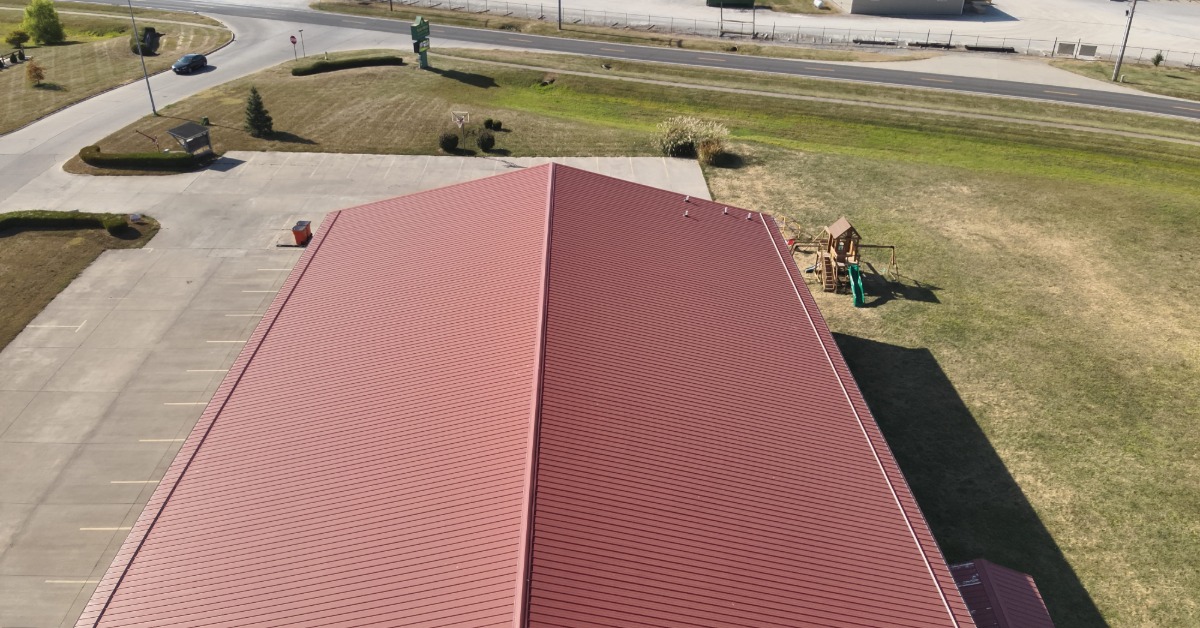
Wind can damage a commercial roof even when it does not tear away large sections. Strong gusts can pull at edges, loosen flashing, lift membrane sections, and strain seams. Once wind creates an opening, rain can move into the system during the next storm.
Commercial roofs with parapet walls, exposed edges, rooftop units, and large open surfaces need secure installation and regular maintenance. Wind pressure can affect these areas differently across the roof. After severe weather, business owners should schedule an inspection with commercial roofing services to check for lifted materials, loose metal, separated seams, and damage around penetrations.
Heat and Sunlight Can Break Down Roofing Materials
Another way that the weather impacts your roof over time is via heat and sunlight. UV exposure can dry out roofing materials, weaken coatings, and make surfaces more brittle. Heat can also affect adhesives, sealants, and the bond between layers in certain roofing systems.
Temperature swings create additional stress. As materials expand during the day and contract at night, seams, fasteners, and flashing must keep their hold. Over time, that movement can create cracks, gaps, and weak areas that need professional repair.
How Heat Affects Energy Performance
A weathered roof can affect the building below it. When roofing materials lose reflectivity, insulation becomes wet, or gaps develop, the building may become harder to heat and cool. That can place extra strain on HVAC systems and reduce comfort for employees and customers.
Cold Weather Can Expand Small Roof Openings
Cold weather can make minor roof problems worse. When water enters a small crack and freezes, it expands. That expansion can widen openings around seams, flashing, drains, and penetrations.
Commercial roofs also move as temperatures change. Repeated freezing and thawing can strain membranes, coatings, and metal details. If the roof has worn sealants or weak seams, winter weather can push those areas closer to failure.
Why Freeze-Thaw Cycles Matter
Freeze-thaw cycles create pressure. Water melts, moves into small gaps, freezes again, and expands. That cycle can damage roof details.
Property owners should take winter preparation seriously. A pre-winter roof inspection can identify open seams, clogged drains, loose flashing, and damaged areas before freezing temperatures arrive.
Snow and Ice Can Add Weight and Block Drainage
Snow can place significant weight on a commercial roof, especially when it becomes wet and compacted. Flat and low-slope roofs may hold snow longer than pitched roofs, which can increase structural stress. Drifting snow can also pile up around walls, curbs, rooftop units, and higher roof sections.
Ice creates another problem because it can block drains and stop melting snow from leaving the roof. When water cannot drain, it can pond on the surface or refreeze in key drainage areas.
When Winter Weather Calls for a Roof Check
A roof check makes sense after heavy snow, ice buildup, or freeze-thaw cycles. Interior water stains, sagging ceiling areas, unusual noises, and new leaks all need prompt attention. These signs may point to moisture intrusion, blocked drainage, or structural stress.
Hail Can Damage Commercial Roof Surfaces Quickly
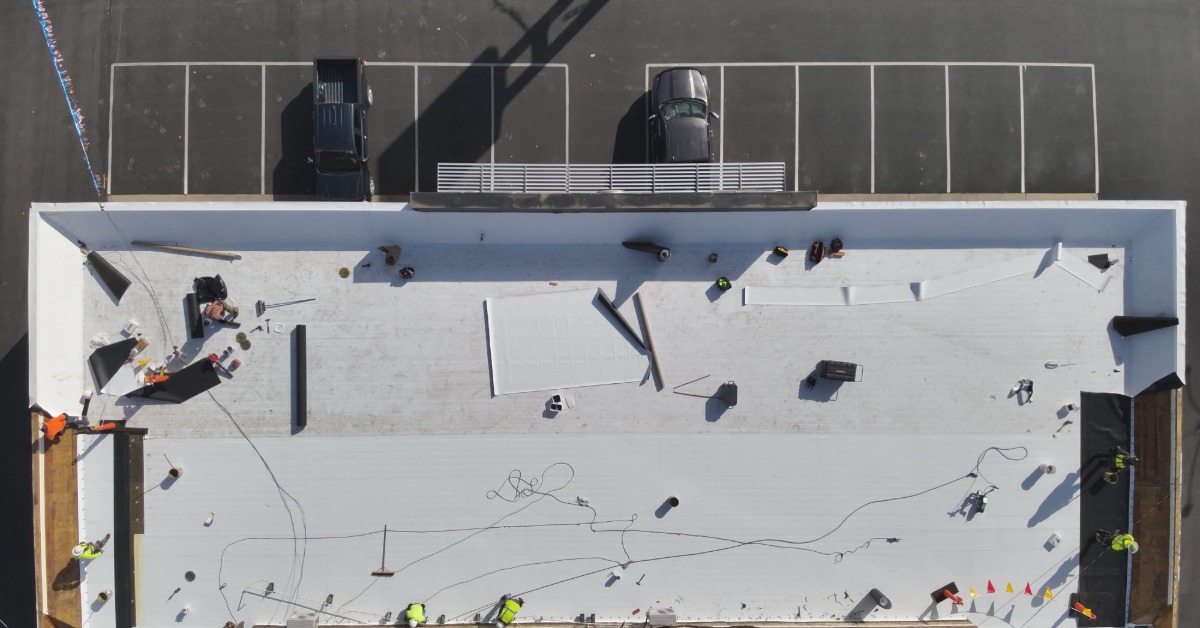
Hail can harm a roof in a single storm. It can dent metal, bruise membranes, crack older materials, damage flashing, and loosen protective surfacing. Even when hail does not cause an immediate leak, it can shorten the life of the roof.
Commercial roofs with TPO, modified bitumen, EPDM, rubber roofing, or metal details need careful review after hail. A post-storm inspection can document the condition of the roof and help determine whether repairs or replacement make more sense.
Humidity and Moisture Can Affect the Roof from Below
Weather can affect a commercial roof from inside the building as well as outside. Warm, moist air can rise toward the roof assembly, especially in buildings with production areas, kitchens, warehouses, or high indoor humidity. If that moisture condenses inside the system, it can affect insulation, decking, and structural components.
Ventilation, insulation, and roof design all play a role in moisture control. When the roof system does not manage moisture properly, the building may face mold concerns, trap dampness and odors, and reduce energy performance.
How Regular Maintenance Protects Your Investment
Regular maintenance gives property owners more control over roof performance. Inspections can uncover small punctures, worn sealants, drainage problems, loose flashing, and storm damage.
A maintenance plan also helps business owners budget with more confidence. Instead of waiting for leaks to appear, owners can track roof condition and plan repairs around business needs.
Protect Your Commercial Roof With Midwest Roofing
Weather will always test your commercial roof. Rain, wind, heat, snow, ice, hail, and humidity can all weaken materials over time, especially on flat and low-slope systems. With regular inspections, timely repairs, and the right roofing system, you can protect your building and reduce the risk of costly disruptions.
Midwest Roofing helps business owners, property managers, and facility operators care for commercial roofs with practical recommendations, skilled workmanship, and dependable service. If your roof has storm damage, drainage concerns, leaks, aging materials, or performance issues, contact Midwest Roofing today to schedule an estimate and protect your property.