A roof in the Midwest must handle much more than a single type of weather. It may face heavy rain in spring, intense sunlight in summer, falling leaves in autumn, and snow, ice, and freezing temperatures in winter.
Choosing the right residential roofing system requires more than selecting a color or style. Homeowners should consider durability, maintenance needs, energy performance, cost, and compatibility with the home’s structure. Below, we’ll outline the most common residential roofing options for Midwest homes and what each has to offer.
What Midwest Homeowners Need from a Roof
Midwest weather can change quickly, so roofing materials must perform reliably through changing conditions. Wind can loosen materials, hail can damage surfaces, and moisture can enter through even a small opening. Frequent freezing and thawing may also place pressure on shingles, flashing, and other roof components.
A quality roofing system works as a complete unit rather than as a single exterior layer. Shingles or panels provide the visible surface, while underlayment, flashing, ventilation, and water barriers help control moisture and protect vulnerable areas. Proper installation allows these components to work together.
Asphalt Shingles for Versatility and Value
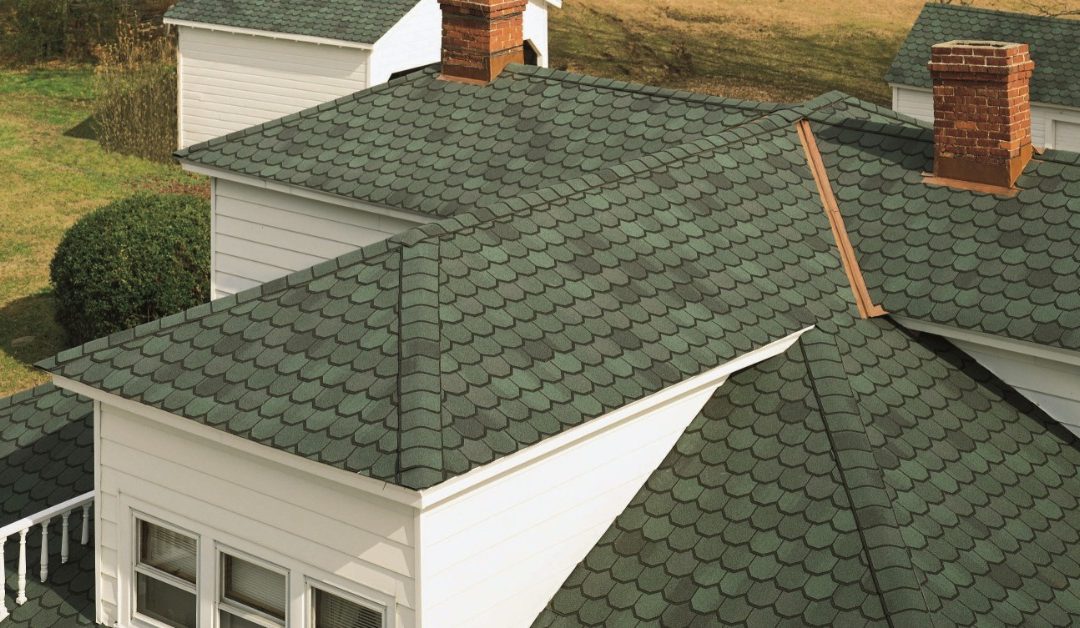
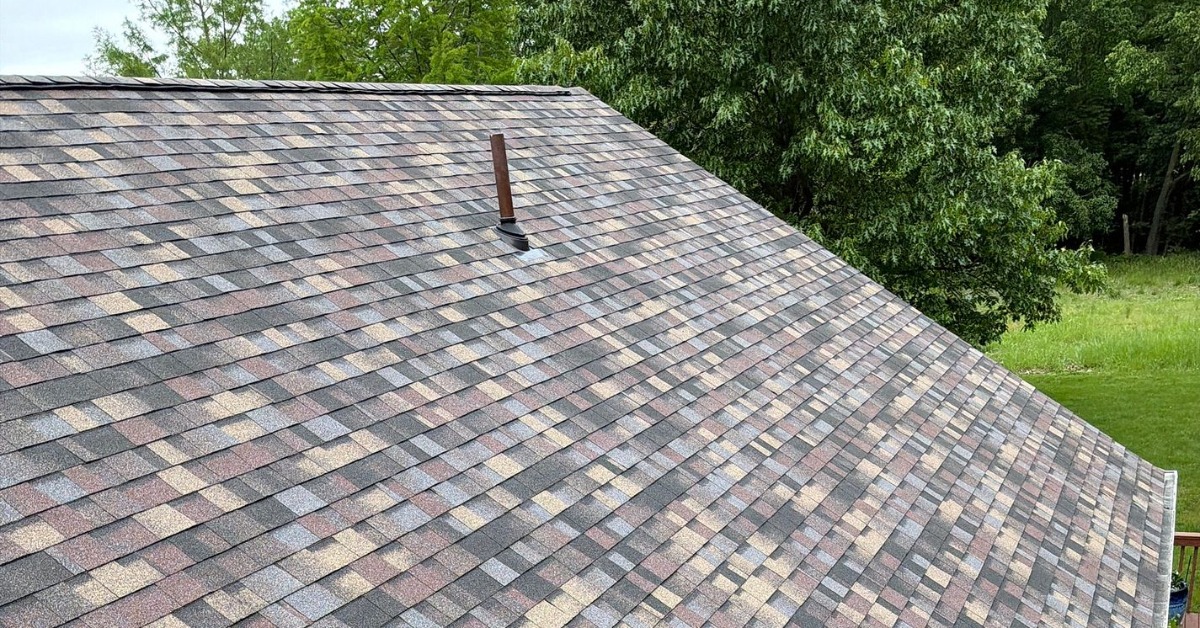
Asphalt shingles remain the most popular residential roofing option for Midwest homes because they provide a practical balance of appearance, performance, and cost. Manufacturers offer them in many colors and profiles, which makes it easier to coordinate the roof with siding, trim, brick, or stone.
Homeowners can choose from different shingle grades and construction styles. Basic shingles may fit projects with tighter budgets, while architectural shingles provide greater dimension and a more substantial appearance.
Advantages of Asphalt Shingles
Asphalt shingles allow homeowners to update their roof without dramatically changing the home’s character. Their broad selection gives property owners flexibility when matching an existing exterior or planning a larger renovation. Damaged sections may also be easier to address than sections of some special roofing systems.
A residential roofing company in Charleston, IL, can inspect the roof deck, evaluate ventilation, and explain which shingle products match the home’s needs. That professional guidance helps homeowners make decisions based on exposure, roof slope, maintenance, and long-term plans.
Points To Consider
Shingles can lose granules, crack, curl, or lift as they age or sustain weather damage. Tree limbs, hail, wind, and trapped moisture may shorten their service life.
Homeowners should also avoid choosing a product based only on the lowest initial price. Material quality, warranty terms, contractor workmanship, and ventilation all contribute to long-term performance.
Metal Roofing for Long-Term Protection
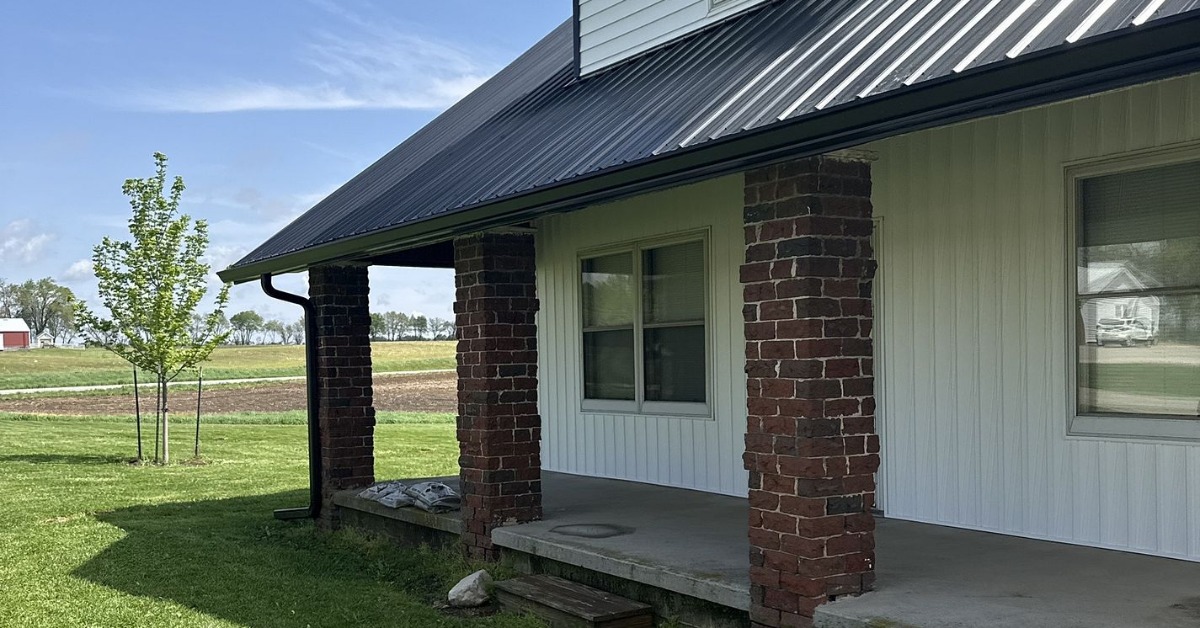
Metal roofing provides a distinctive appearance and strong resistance to many demanding weather conditions. Its interlocking or overlapping components help shed rain and snow, while its durable surface can stand up to substantial exposure. Metal systems come in several profiles, finishes, and colors for both traditional and modern homes.
Some homeowners choose standing seam panels for their clean lines and concealed fasteners. Others prefer metal products that resemble shingles, shakes, or tiles. These allow homeowners to gain the performance characteristics of metal without committing to an industrial appearance.
Advantages of Metal Roofing
Metal roofing can provide long-term value for homeowners who plan to remain in their properties. It requires fewer individual pieces than a shingle system, and many profiles resist cracking, warping, and deterioration caused by moisture. Reflective finishes may also help manage heat during warm weather.
The material’s strength does not eliminate the need for professional installation. Contractors must take accurate measurements, plan transitions, secure panels correctly, and install flashing around roof penetrations.
Points To Consider
Metal roofing generally requires a larger initial investment than standard asphalt shingles. Homeowners should compare that cost with longevity, maintenance requirements, and the length of time they plan to own the property.
Rain may sound different on a metal roof, although the roof deck, insulation, and attic space can reduce interior noise. Homeowners should also review finish warranties and ask how to handle scratches or exposed edges.
Synthetic Roofing for Special Styles
Synthetic roofing products can imitate materials such as slate or wood shakes while reducing some of the weight and maintenance concerns of natural products. Manufacturers create these systems from engineered materials that provide consistent shapes, colors, and performance.
These products vary considerably, so homeowners should compare manufacturer specifications and contractor experience carefully. The roof structure, slope, local conditions, and installation method must support the selected system.
Synthetic Slate and Shake
Synthetic slate can provide the refined look of natural stone without placing the same weight on the roof structure. Synthetic shake products can create texture and depth while avoiding some concerns that come with natural wood.
Product quality makes a significant difference in this category. Homeowners should review impact ratings, weathering information, fire classifications, and warranty coverage before deciding.
Natural Slate and Wood Roofing
Natural slate creates a distinctive, high-end appearance and can deliver impressive durability when the home and roof structure support it. Each piece has natural color and texture variations, which give the finished roof a unique character.
Wood shakes and shingles provide a warm, traditional appearance that works well with rustic, historic, or nature-inspired homes. They require careful maintenance and may face restrictions based on local codes, fire considerations, or insurance requirements.
Structural and Maintenance Requirements
Natural materials can demand more from both the structure and the homeowner. Slate adds substantial weight, while wood requires attention to moisture, biological growth, and surface condition. Repairs may also require a special contractor.
These materials work best when homeowners understand the full ownership commitment. Installation cost, maintenance, repair availability, structural preparation, and insurance considerations should all influence the final choice.
How To Compare Residential Roofing Options
Start by considering how long you expect to remain in the home. A homeowner preparing to move may prioritize a different balance of cost and appearance than someone planning to stay for several decades. Future maintenance expectations should also shape the decision.
Next, consider the home’s architecture, roof slope, structural capacity, and surrounding environment. Large trees, open fields, shaded sections, and exposure to prevailing winds can affect roofing performance.
Look Beyond the Surface Material
Homeowners may focus on shingles or panels because those components remain visible. However, the roof deck, underlayment, ventilation, flashing, and drainage system play equally important roles. Replacing the surface without addressing underlying problems can allow leaks, heat buildup, or moisture damage to continue.
Ask the contractor to explain the complete roofing system in the estimate. The proposal should identify materials, preparation, installation steps, ventilation work, cleanup, and warranty coverage. Clear information makes it easier to compare contractors and avoid surprises.
Choose a Roof Built for Midwest Conditions
Midwest homeowners can choose from asphalt shingles, metal panels, synthetic products, natural slate, and wood roofing. Each option offers a different combination of appearance, durability, maintenance, and price. The right system depends on the home’s structure, weather exposure, design, and the owner’s long-term priorities.
Midwest Roofing provides inspections, material guidance, installation, repairs, and roof replacement services for local homeowners. Contact Midwest Roofing to schedule an estimate, compare residential roofing options, and select a system to protect your home through every Midwest season.