A roof represents a major investment in the protection and long-term performance of your property. While appearance and upfront price influence the decision, durability can make an even greater difference over the life of the roof. A durable material can withstand years of sun, precipitation, wind, and temperature changes without requiring premature replacement.
No roofing material works equally well for every property. Climate, roof design, maintenance requirements, and installation quality all affect how a roof performs. Understanding the strengths and limitations of each option can help you choose the best and most durable roofing material for your home or business.
Why Roofing Material Durability Matters
Replacing a roof requires a significant commitment of time and money. Choosing a material for long-term performance can help delay the need for another major roofing project. It may also reduce the number of repairs necessary as the roof ages.
Durability involves more than a material’s service life. A roofing system must also resist the conditions it will encounter throughout the year. Wind, rain, hail, snow, ultraviolet exposure, and temperature swings can gradually wear down roofing materials.
Comparing Roofing Materials for Long-Term Durability
Different roofing materials respond differently to weather, impact, moisture, and age. Some emphasize affordability and versatility, while others prioritize longevity or resistance to demanding environmental conditions.
Before choosing a product based on lifespan alone, consider the complete roofing system. Your property’s structure, roof slope, local climate, and maintenance expectations should all influence the decision.
Asphalt Shingles
Asphalt shingles remain a widely used roofing option because they combine practical performance with a relatively accessible installation cost. Manufacturers offer shingles in many styles, profiles, and performance levels, giving property owners considerable flexibility.
Durability varies depending on the type and quality of shingle. Weather exposure can gradually loosen granules, weaken shingles, or cause edges to crack and curl as the roof ages. Prompt repairs and regular inspections can help identify developing problems before they affect larger sections of the roof.
Architectural shingles generally provide greater thickness and dimensional appearance than basic three-tab products. Some products also include performance features that improve resistance to wind or impact.
Metal Roofing
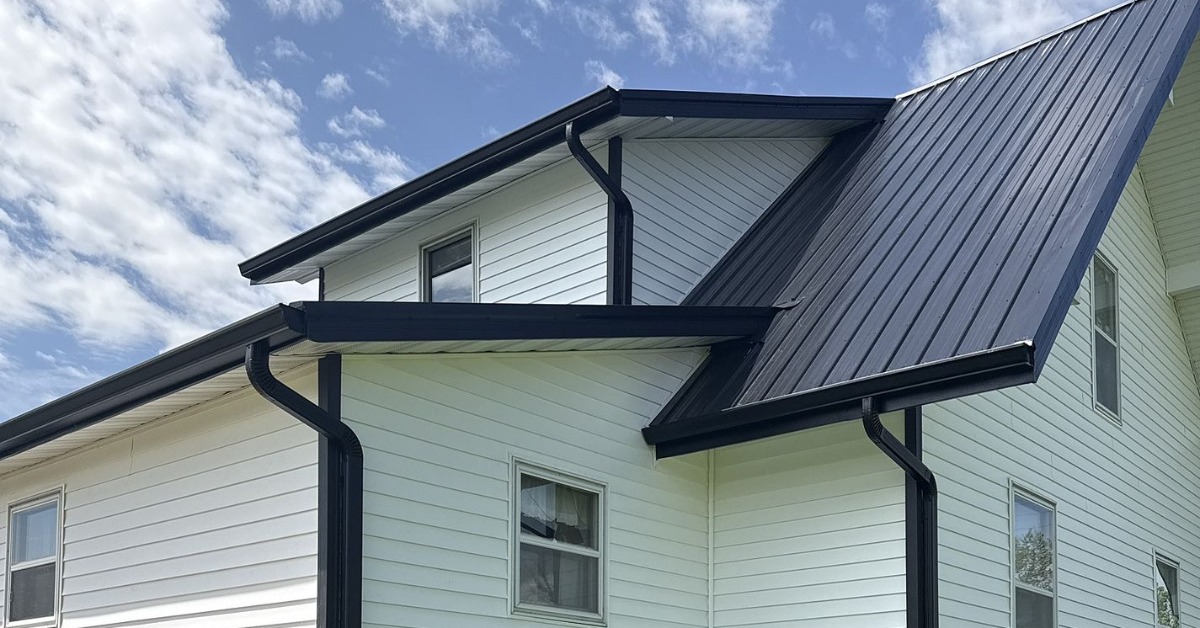
Many home and business owners who prioritize the best roofing material for durability end up choosing metal, as it stands out for its long service potential and ability to handle demanding weather conditions. Properly installed systems can provide decades of protection, making metal attractive to property owners who place a high priority on durability.
Metal also resists several problems that can affect other roofing materials. It does not crack or lose protective granules like asphalt shingles, and proper systems shed rain and snow efficiently. Protective coatings help defend the metal against corrosion while providing a range of finish options.
Temperature changes cause metal to expand and contract. For that reason, working with professional metal roofing contractors with experience in metal roof design and installation plays a major role in durability. Fasteners, seams, flashing, and panel connections must accommodate movement while preventing water intrusion.
Clay and Concrete Tile
Tile roofing provides impressive durability when the building can properly support it. Clay tiles resist moisture, sunlight, and decay, while concrete products can deliver similar benefits with different aesthetic options.
Weight presents one of the biggest considerations. Tile roofing can place substantially more load on a structure than asphalt shingles or some metal systems. A qualified professional should determine whether the existing structure can support the material before installation.
Individual tiles can also crack when struck by heavy objects or walked on incorrectly. Repairs may involve replacing isolated damaged pieces rather than an entire section of roofing.
Slate Roofing
Natural slate has a reputation for longevity. The stone resists moisture and does not deteriorate in the same manner as many synthetic roofing products. A well-designed slate roof can remain functional for many decades.
That durability comes with several considerations. Slate weighs considerably more than lightweight roofing materials and requires a structure capable of supporting it. The material can also break from significant impact or improper foot traffic.
Installation requires specialized skills. Contractors must place and secure each piece correctly to create a dependable system. For properties that suit its structural and financial requirements, slate can provide remarkable long-term performance.
How Midwest Weather Influences Material Choice
Roofing materials in the Midwest face changing conditions throughout the year. Summer heat can give way to freezing winter temperatures, while thunderstorms, hail, snow, and strong winds can place additional stress on the roof.
Repeated expansion and contraction can gradually affect roofing components. Water may also enter small openings before freezing and expanding, which can worsen existing damage. Materials and installation methods that accommodate seasonal changes can help the roofing system maintain its integrity.
Consider Wind and Storm Resistance
Severe storms can lift, loosen, dent, crack, or displace roofing materials. The level of resistance depends on the specific product, how installers secure it, and the condition of the overall roof.
Do not evaluate durability based only on the name of the material. Compare product ratings, manufacturer specifications, and installation requirements.
Think About Moisture Management
A durable exterior roof covering still depends on effective water management. Flashing, underlayment, drainage components, and properly installed penetrations work together to keep moisture away from vulnerable areas.
Regular inspections can help identify loose flashing, damaged roofing, or other openings before they contribute to interior leaks. Keeping gutters and drainage paths clear also allows water to move away from the roof as designed.
Balance Initial Cost With Long-Term Value
The least expensive roofing material at installation does not automatically provide the lowest cost over the life of the property. A lower-priced roof that requires earlier replacement may eventually cost more than a longer-lasting alternative.
Consider service life alongside installation expense and maintenance needs. Looking at the entire lifespan provides a clearer picture than comparing initial estimates alone.
Maintenance Can Extend Roof Performance
Every roof benefits from routine attention. Inspections give property owners an opportunity to find damaged materials, compromised flashing, and other concerns while repairs may remain manageable.
Addressing minor problems quickly can help protect the roof deck and interior of the building from moisture. Maintenance also gives a roofing professional an opportunity to evaluate how the material is aging and recommend repairs when necessary.
How to Choose the Right Roofing Material
Start by considering how long you expect to own the property and what level of maintenance you are comfortable managing. Then evaluate the roof’s structure, slope, and exposure to weather. These factors can narrow the available options.
Appearance matters as well, but it should complement practical considerations rather than replace them. The right roofing material should suit the building while delivering the performance you expect from your investment.
Invest in a Roof Built to Last
Durability depends on more than selecting a material with an impressive lifespan. Climate, installation quality, maintenance, and the design of the roofing system all affect how many years of dependable performance you receive.
If you are considering a new roof for your home or business, contact Midwest Roofing. Our team can inspect your property, discuss material options, and help you determine which roofing system best fits your needs. Schedule an estimate today and take the next step toward durable protection for your property.