Commercial roofs do much more than keep rain out of a building. They protect employees, customers, and the structure itself while helping the property withstand years of changing weather. Yet if you have never managed a roofing project before, terms such as TPO, EPDM, modified bitumen, and spray foam can make your options seem more complex than they are.
Understanding the basic differences between commercial roofing systems can make conversations with a roofing contractor easier. It can also help you recognize why one material may suit your property better than another. Below is a beginner-friendly explanation for the most common types of commercial roofing systems available to building owners.
What Makes Commercial Roofing Different?
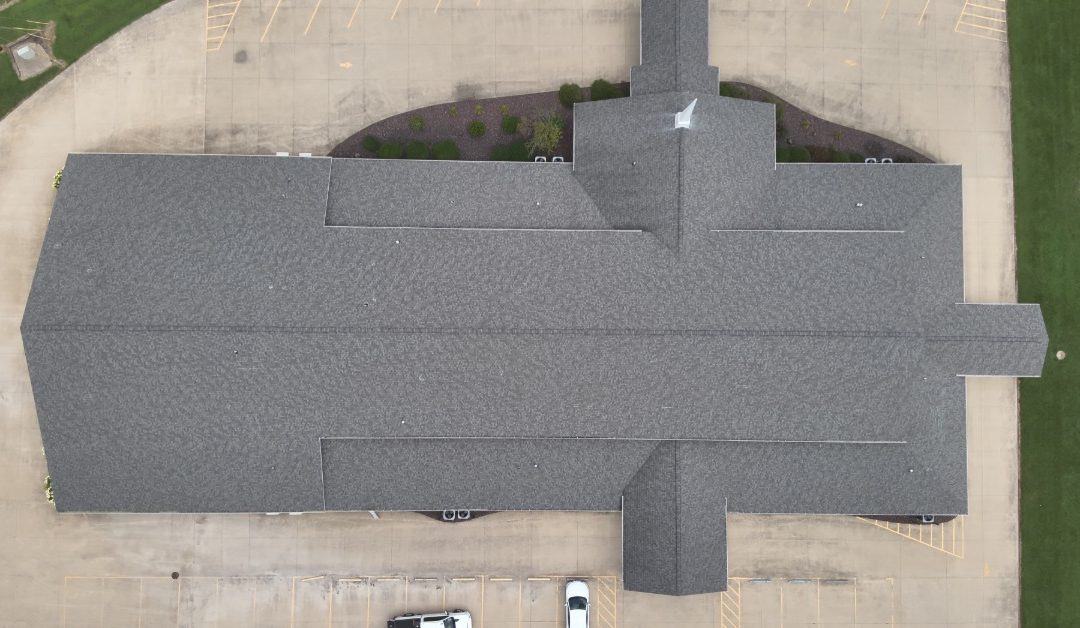
Commercial and residential roofs serve the same basic purpose, but their designs can differ considerably. Many commercial buildings use flat or low-slope roofs rather than the steep slopes found on homes. That design creates different requirements for drainage, waterproofing, insulation, and installation.
Commercial roofs may also contain HVAC equipment, vents, pipes, drains, skylights, and other penetrations. Contractors must account for these components when installing or repairing the roofing system because every penetration creates an area that requires careful sealing.
The size of a commercial building adds another consideration. A large roof can experience significant exposure to sunlight, wind, rain, snow, ice, and changing temperatures. The roofing system must create a durable barrier across the entire surface while allowing water to drain effectively.
The Main Parts of a Commercial Roofing System
A commercial roof is more than the exterior material you can see from outside. Several components work together to protect the building.
The roof deck provides the structural base. Depending on the property, the deck may consist of metal, concrete, wood, or another material. Insulation may sit above the deck to help control heat transfer and support energy performance inside the building.
Above those components, the roofing membrane provides the primary defense against moisture. Flashing and other details help seal roof edges, penetrations, drains, and transitions. The design and condition of each component can influence how the full system performs.
Thermoplastic Polyolefin (TPO) Roofing
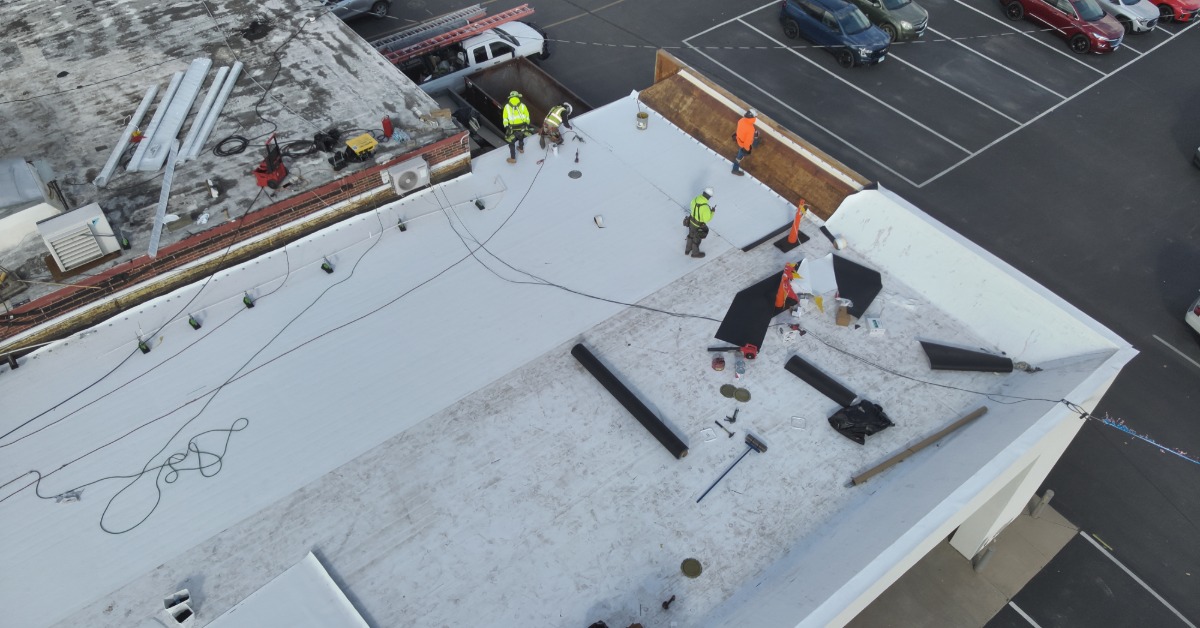
TPO is a single-ply roofing membrane common on flat and low-slope commercial buildings. Contractors install sheets of TPO across the roof and heat-weld the seams to create a continuous surface.
TPO membranes are typically light in color, which allows them to reflect a portion of the sun’s heat rather than absorbing it. This characteristic can make the material appealing for businesses concerned about the effect that a large roof surface may have on indoor temperatures and cooling demands.
Advantages of TPO
TPO provides a flexible waterproofing layer while remaining relatively lightweight. Heat-welded seams help create strong connections between membrane sections, which matters because seams can become vulnerable areas on flat roofing systems.
Its flexibility also allows the membrane to accommodate some movement as a building and roof respond to temperature changes. Proper installation remains essential, particularly around edges, drainage points, and rooftop equipment.
Ethylene Propylene Diene Monomer (EPDM) and Rubber Roofing
EPDM is a synthetic rubber membrane common on commercial buildings for decades.
Unlike TPO, which commonly uses heat-welded seams, EPDM systems may use adhesives or special seam materials to connect membrane sections. The rubber remains flexible, allowing it to respond to expansion and contraction as outdoor temperatures change.
Where EPDM Works Well
EPDM can provide dependable waterproofing for low-slope roofs when contractors install and maintain it correctly. Its flexibility makes it suitable for a range of commercial applications, including roofs with unusual shapes or numerous penetrations.
Because the membrane creates the building’s main moisture barrier, damage deserves prompt attention. Punctures, loose seams, or deteriorated flashing can allow water beneath the system and create problems elsewhere in the roof assembly.
Modified Bitumen Roofing
Modified bitumen roofing builds on traditional asphalt-based roofing technology. Manufacturers reinforce the roofing material and modify the asphalt to improve flexibility and performance.
Contractors install modified bitumen in sheets or rolls that form multiple protective layers across a low-slope roof. Installation methods vary by product and building conditions, so professional evaluation plays an important role in selecting the appropriate approach.
Why Building Owners Choose Modified Bitumen
One notable characteristic of modified bitumen is its layered construction. That design can provide a durable surface for commercial properties where the roof may experience regular exposure to weather or limited maintenance traffic. The material also works well for many roof layouts, but seams, flashing, drains, and penetrations must all function together to keep moisture outside the building.
Spray Foam Roofing and Insulation
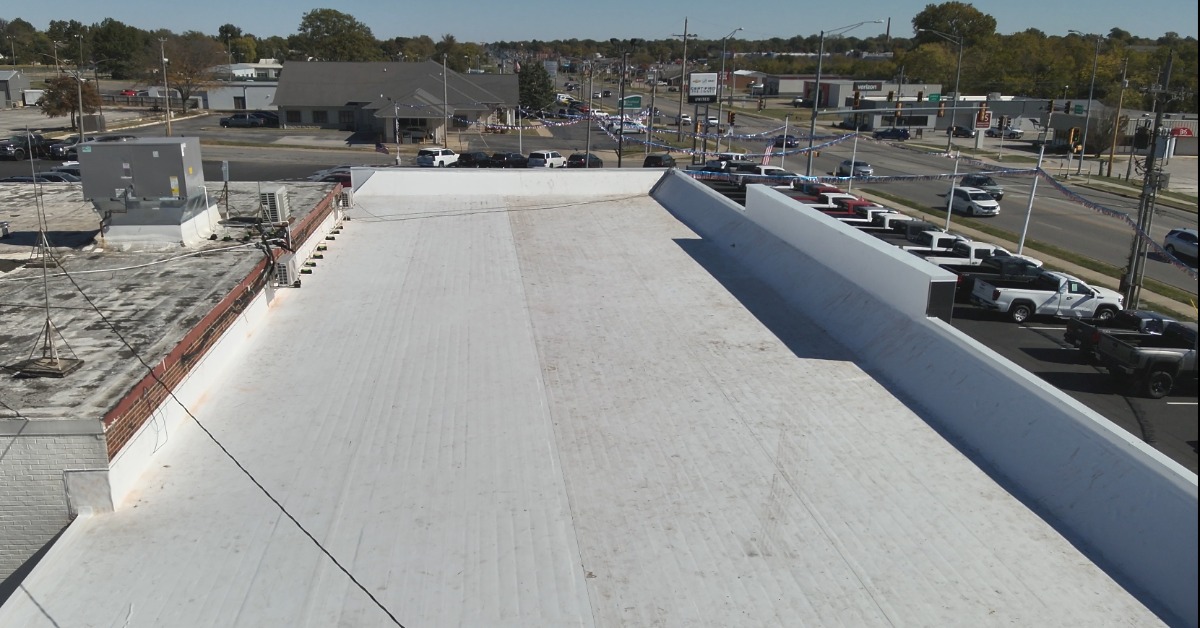
Spray polyurethane foam provides another option for certain commercial roofs. Contractors apply the material as a liquid, and it expands into a solid foam layer that can conform to the shape of the roof. Because installers spray the material directly onto the surface, foam can create a seamless layer around many roof features. It can also contribute insulation to the roofing assembly.
Understanding Spray Foam Maintenance
The foam itself requires protection from extensive exposure to sunlight and weather. Contractors typically apply a protective coating over the surface as part of the system. Building owners should inspect the roof periodically and address coating damage or other concerns before they become larger problems.
How Contractors Choose the Right Roofing System
There is no single commercial roofing material that works best for every building. Contractors must consider the existing roof, slope, drainage, building use, insulation needs, rooftop equipment, budget, and expected service life.
The condition of the existing system matters as well. A roof with isolated damage may require a different solution than one with widespread deterioration or moisture trapped below the surface.
Local weather also deserves consideration. Commercial roofs in the Midwest face summer heat, winter cold, precipitation, wind, and significant temperature swings. A roofing professional can evaluate how different systems will respond to those conditions while accounting for the specific characteristics of the property.
Why Commercial Roof Inspections Matter
You do not need to understand every technical detail of your roofing system to manage it responsibly. You do need to recognize that small problems can become more expensive if water reaches insulation, decking, or interior spaces.
Routine inspections give roofing professionals an opportunity to check seams, flashing, penetrations, drains, membranes, and other vulnerable areas. Inspections can also help identify damage after severe weather or reveal deterioration before it causes visible leaks inside the building.
Building owners should also pay attention to warning signs between professional inspections. Interior water stains, recurring leaks, damaged membrane areas, ponding water, or sudden changes in the roof’s appearance deserve investigation.
Protect Your Commercial Property With the Right Roof
Now that we’ve explained commercial roofing systems for beginners, you should have a basic understanding of what the major systems do. TPO provides a single-ply membrane with heat-welded seams, EPDM offers flexible rubber protection, modified bitumen uses reinforced asphalt-based materials, and spray foam can create an insulated, seamless surface. The right choice depends on the building rather than a one-size-fits-all recommendation.
If you need a commercial roofing company in Charleston, IL, Midwest Roofing works with commercial property owners to assess existing roofs and identify solutions suitable for their buildings. If you need help evaluating your current roof, repairing damage, or planning a replacement, contact Midwest Roofing to schedule an estimate and discuss the commercial roofing system that fits your property.