
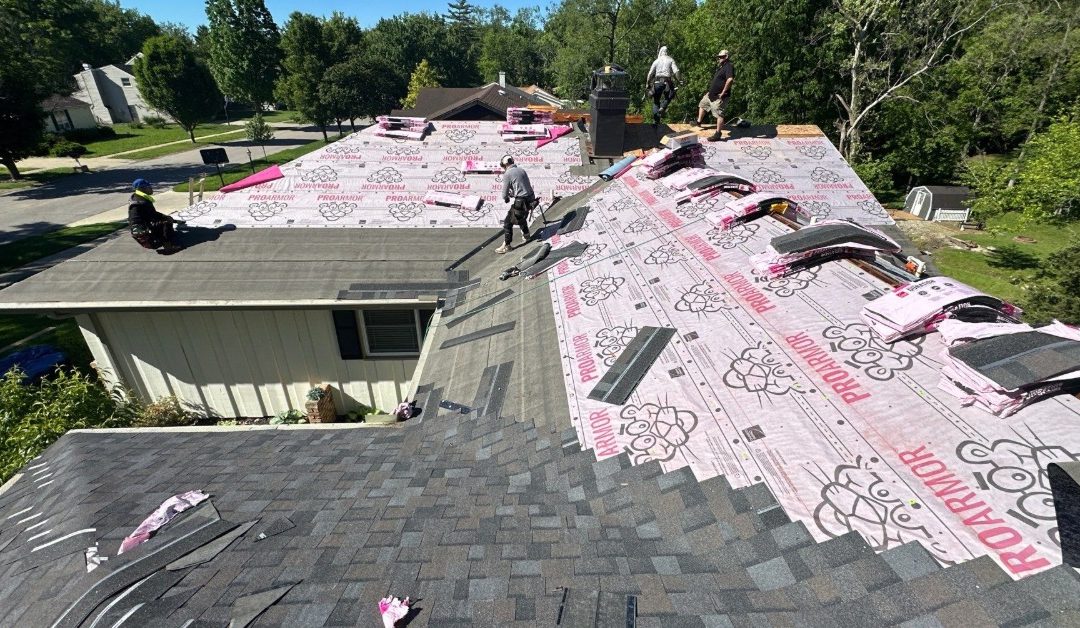
A full roof replacement is one of the most important home improvement projects a homeowner can schedule. Many homeowners feel unsure about what happens once they decide to replace their roof, but that’s where we can help.
A professional roofing team like Midwest Roofing makes the process clear before beginning installation. Below, we outline what homeowners can expect during a full roof replacement.
When a Full Roof Replacement May Be Necessary
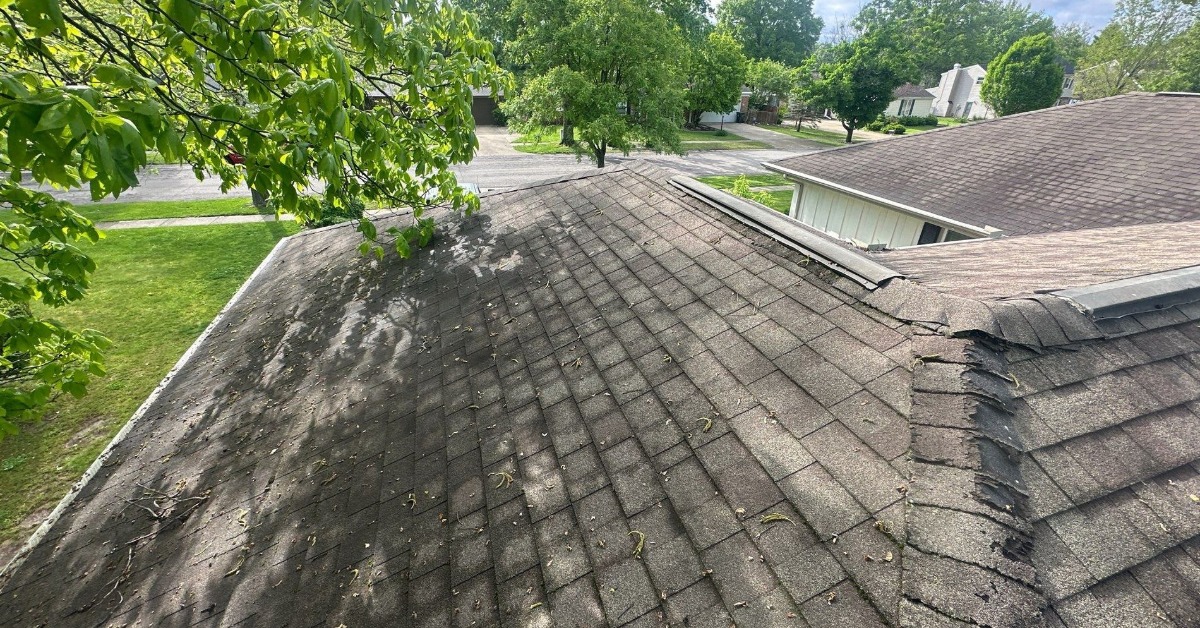
A roof replacement becomes necessary when repairs can no longer protect the home effectively. Aging shingles, recurring leaks, storm damage, sagging areas, granule loss, and water stains can all point to a roofing system at the end of its useful life.
In some cases, one damaged area may appear minor from the ground, but the underlying roof deck, flashing, ventilation, or underlayment may tell a different story. That is why a complete inspection matters before any contractor recommends repairs or replacement.
The Process Starts with a Roof Inspection
A roof replacement should begin with a thorough inspection and assessment. During this step, the contractor evaluates the visible condition of the roof, checks for damage, reviews problem areas, and looks for signs that the roofing system has started to fail.
The inspection may include shingles, flashing, vents, valleys, gutters, roof edges, and areas around chimneys or skylights. The contractor may also ask about leaks, previous repairs, attic issues, storm damage, or changes in energy performance.
Review Materials and Project Details
After the inspection, the planning stage begins. This is when you review roofing material options, project timing, pricing, warranty considerations, and any special concerns about your home.
Homeowners may choose shingles, metal roofing, or another roofing material based on durability, budget, appearance, and the demands of Midwest weather. A qualified contractor should explain how each option performs and help you understand what fits your home best.
Your Contractor Helps You Prepare the Property
Before the crew arrives, your contractor should explain how to prepare your home and yard. Roof replacement creates noise, vibration, debris, and foot traffic, so a little preparation can make the experience smoother.
You may need to move vehicles from the driveway, clear patio furniture, protect items in the attic, and keep pets or children away from work areas. You may also want to remove fragile wall decorations because hammering and movement on the roof can cause vibrations inside the home.
The Old Roofing Materials Come Off First
The first thing to expect during a full roof replacement is the removal of the old roofing materials. This step allows the team to see the roof deck underneath and check for damage that may not have been visible during the first inspection.
Tear-off work can be loud and messy, but a professional crew manages debris throughout the process. They remove shingles or panels, pull nails, clear old underlayment, and inspect the surface before installing the new system. If the crew finds rotted decking, soft spots, or other structural concerns, they should address those issues before moving forward.
Checking and Preparing the Roof Deck
After tear-off, the roof deck must be clean, secure, and ready for installation. The crew checks the deck for damage, replaces compromised sections, and makes sure the surface can support the new roofing materials.
This step plays a major role in the result. Even high-quality materials can fail early if the roof deck underneath has moisture damage, weak areas, or poor attachment points.
Installing Underlayment, Flashing, and Protection Layers
Before the final roofing material goes on, the crew installs the protective layers that help defend the home against water intrusion. These may include underlayment, ice and water protection, drip edge, flashing, and other system components.
Underlayment creates a barrier between the roof deck and the roof surface. Flashing protects vulnerable areas where water may collect or where roof surfaces meet walls, chimneys, vents, or valleys. These details matter because many roof leaks start at transitions, edges, and penetrations.
Installing the New Roofing Material
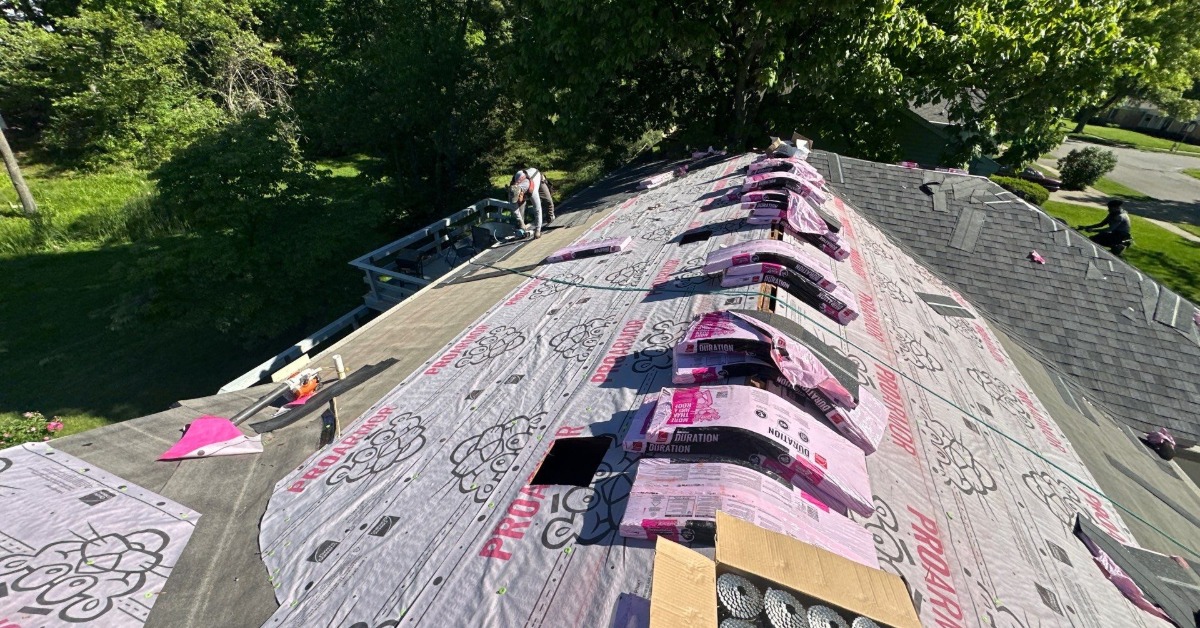
After preparing the roof, the crew will install the new roofing material according to the project plan. This stage changes the appearance of the home quickly and brings the new system together.
For asphalt shingles, the crew works in courses and follows proper fastening patterns, alignment, and manufacturer guidelines. For metal roofing, the team focuses on panel placement, fastening, trim, flashing, and weather-resistant details. Installation time depends on roof size, material type, weather, pitch, complexity, and the condition of the decking.
Quality Checks Before the Crew Leaves
A professional roof replacement should include quality assurance before the project ends. The crew or project lead should inspect the finished roof, check details, review installation areas, and confirm that the work matches the agreed scope.
This step may include checking flashing, vents, valleys, edges, fasteners, sealants, and cleanup areas. The contractor should also address any questions before considering the project complete.
Cleanup as Part of the Replacement Process
Roof replacement creates debris, nails, packaging, and old materials, so cleanup should be part of the service from the beginning. A dependable crew does not treat cleanup as an afterthought.
The team should remove torn-off materials, collect loose debris, clear work areas, and use magnetic tools to pick up stray nails around the property. They should also move equipment, remove protective coverings, and leave the home exterior in good condition.
Insurance Claims May Add Another Step
If storm damage, fire, vandalism, or another covered event led to the roof replacement, the insurance process may become part of the project. Homeowners may need inspection documentation, photos, estimates, adjuster communication, and clear explanations of the damage.
A contractor with insurance-claim experience can help homeowners understand the roofing side of the process. The insurance company makes coverage decisions, but a knowledgeable roofing team can provide important information about roof condition, repair needs, and replacement requirements. This support helps homeowners move through the process with better documentation and clearer expectations.
How Homeowners Can Make the Project Easier
Homeowners can help the project run smoothly by staying available, reviewing the estimate carefully, and preparing the property before work begins. Clear communication reduces surprises and helps the crew protect the home.
It also helps to ask questions before installation day. Homeowners should understand the materials, the schedule, the cleanup process, warranty details, and who to contact during the project.
Conclusion
A full roof replacement includes inspection, planning, preparation, tear-off, deck repair, protective layers, installation, quality checks, and cleanup. Each step plays a role in protecting the home and helping the new roof perform as expected. When you know what to expect, you can move through the project with more confidence. You can also choose a contractor who explains the process, respects your property, and understands the roofing needs of homes in the Midwest.
If you’re in need of residential roofing services, contact Midwest Roofing today. Our experienced team is ready to help you protect your home with expert workmanship from start to finish.