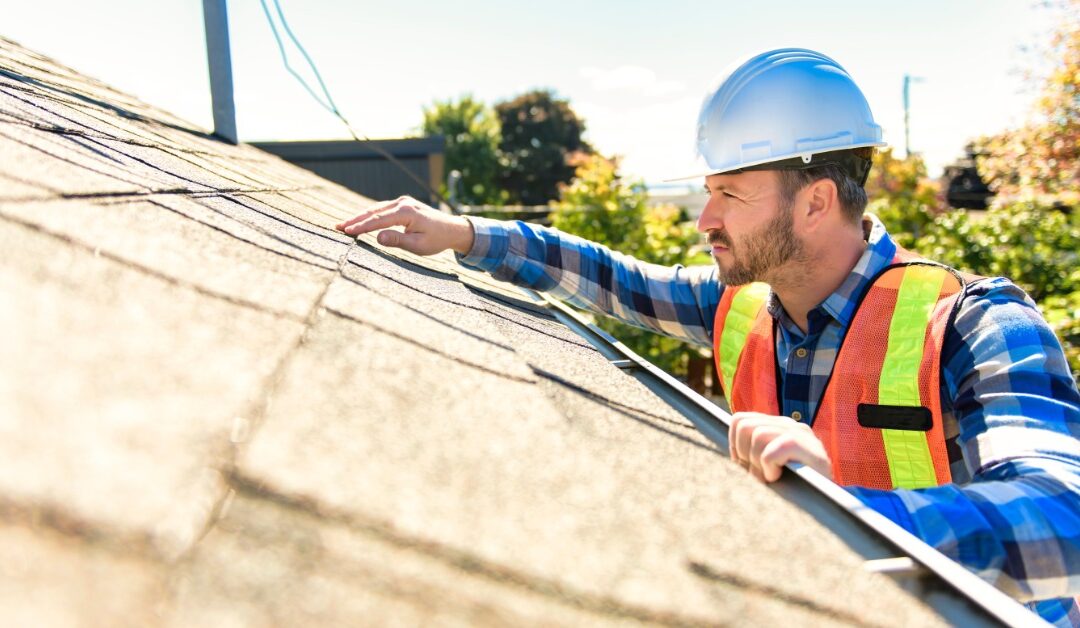
Your roof protects your home or business every day, but damage can build fast when small problems go unchecked. A minor leak, a few missing shingles, or hidden moisture can turn into structural damage, mold growth, and expensive interior repairs.
Some roofing problems look minor from the ground, yet they signal serious trouble beneath the surface. Water can move through decking, insulation, flashing, and ceilings long before damage becomes obvious. Below, we list some of the most notable signs that your roof needs immediate professional repair.
1. Water Stains on Ceilings or Walls
Water stains inside your property usually point to a roof problem that needs fast attention. Brown spots, bubbling paint, peeling drywall, or damp ceiling panels show that moisture has already made its way past the outer roofing system. Once water enters the building envelope, it can damage insulation, framing, and interior finishes.
A leak rarely stays in one place, because water travels along beams and decking before it drips into view. That means the stain you see may sit far from the actual source of the roof damage. Professional inspection helps identify the entry point and stop the leak before the problem grows.
2. Missing, Cracked, or Curling Shingles
Damaged shingles expose your roof to rain, wind, and UV damage. If you notice shingles that curl at the edges, crack across the surface, or go missing after a storm, your roof can no longer shed water as it should. These visible changes usually mean the roofing material has weakened or suffered impact damage.
When shingles fail, the layers underneath become vulnerable to moisture intrusion and rot. Even a small section of exposed roof can cause widespread repair needs if you delay service. Professional residential and commercial roofing contractors can evaluate the full condition of the system and fix the damage correctly.
3. Active Roof Leaks During Rain
Another clear sign that your roof needs immediate professional repair is if you spot water drips during a rainstorm. An active leak shows that your roofing system has already lost its ability to keep water out. Waiting for the next dry week can give moisture more time to soak insulation, wood decking, and interior materials.
Leaks can start around flashing, penetrations, valleys, vents, skylights, or damaged field shingles. In some cases, the opening may look small while the hidden water damage spreads across a much larger area. A prompt repair limits further damage and helps prevent emergency interior restoration.
4. Sagging Roof Sections
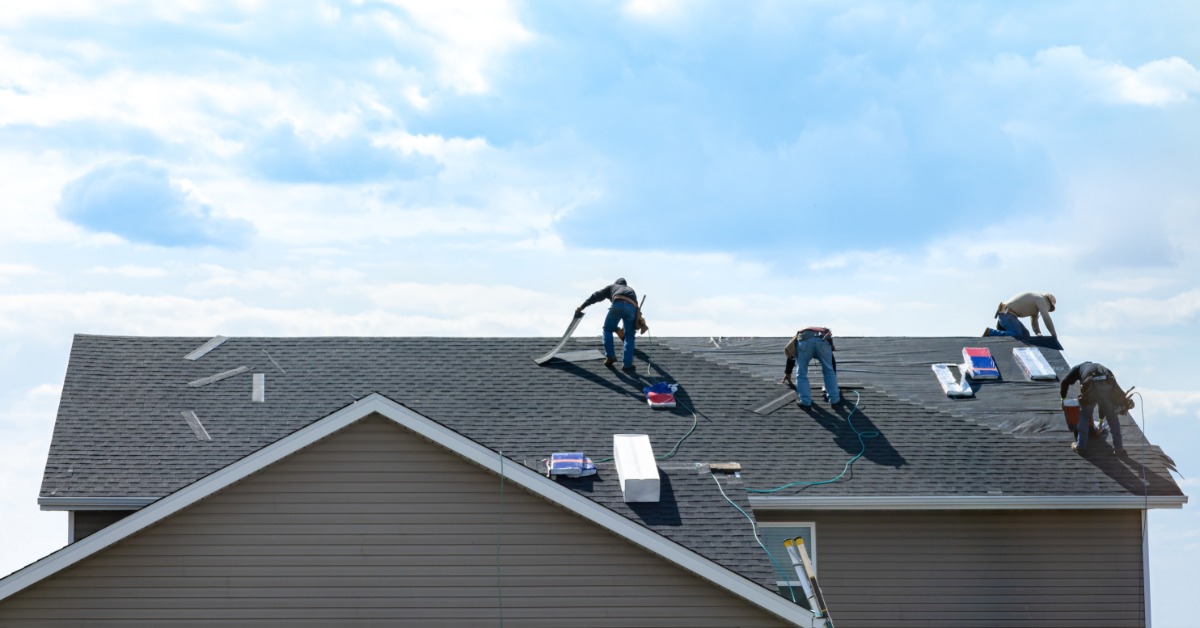
A sagging roofline is one of the most serious warning signs you can see. Any dip, wave, or uneven area in the roof surface may suggest trapped moisture, rotting decking, weakened supports, or structural stress. This kind of damage should never wait, because the affected section may continue to deteriorate under its own weight.
You may notice sagging from the street, from inside the attic, or along the ceiling line indoors. Commercial and residential roofs can both develop soft spots when water compromises the materials beneath the surface. A roofing professional can determine whether the issue requires local repair or broader structural work.
5. Granules Collecting in Gutters
Asphalt shingles shed granules as they wear down, and heavy granule loss signals advanced aging or storm-related damage. If you see a sand-like buildup in your gutters or at the bottom of downspouts, your shingles may no longer provide full protection from the sun and weather. Granules play a key role in defending the roof surface against deterioration.
Once that protective layer wears away, shingles break down faster and become more likely to crack or fail. Granule loss does not always mean full replacement, but it does mean your roof needs a professional assessment. Quick action can reveal whether targeted repair will restore the affected area.
6. Damaged Flashing Around Roof Features
Flashing seals vulnerable joints around chimneys, vents, skylights, walls, and roof transitions. If flashing pulls loose, rusts through, bends, or separates from the surface, water can slip into the roof assembly with very little resistance. These weak points account for many roof leaks, especially after storms or seasonal expansion and contraction.
Because flashing sits at key transition areas, small failures can create major water entry issues. Property owners may not notice the problem until stains or leaks appear inside. Professional repair restores a watertight seal and prevents moisture from reaching the materials below.
7. Mold, Mildew, or Musty Odors
A musty smell in the attic, upper floor, or ceiling area can point to hidden roof moisture. Mold and mildew grow when water enters the structure and stays in dark, poorly ventilated spaces. Even if you do not see a visible leak, the odor alone can signal a roof issue that needs attention.
Moisture-related growth can affect indoor air quality and damage wood framing over time. It can also indicate an unnoticed leak. A roofing inspection can help determine whether the problem starts at the roof surface, flashing, or ventilation system.
8. Rising Energy Bills Without Another Clear Cause
A damaged roof can affect your heating and cooling efficiency more than many property owners realize. When leaks, gaps, or moisture compromise insulation and ventilation, your building must work harder to maintain a stable indoor temperature. That extra strain can show up as rising utility costs even before visible roof damage appears.
This sign matters most when it appears alongside other symptoms like stains, drafts, or attic moisture. Roof damage can allow conditioned air to escape while outside air enters the structure.
9. Debris or Damage After a Storm
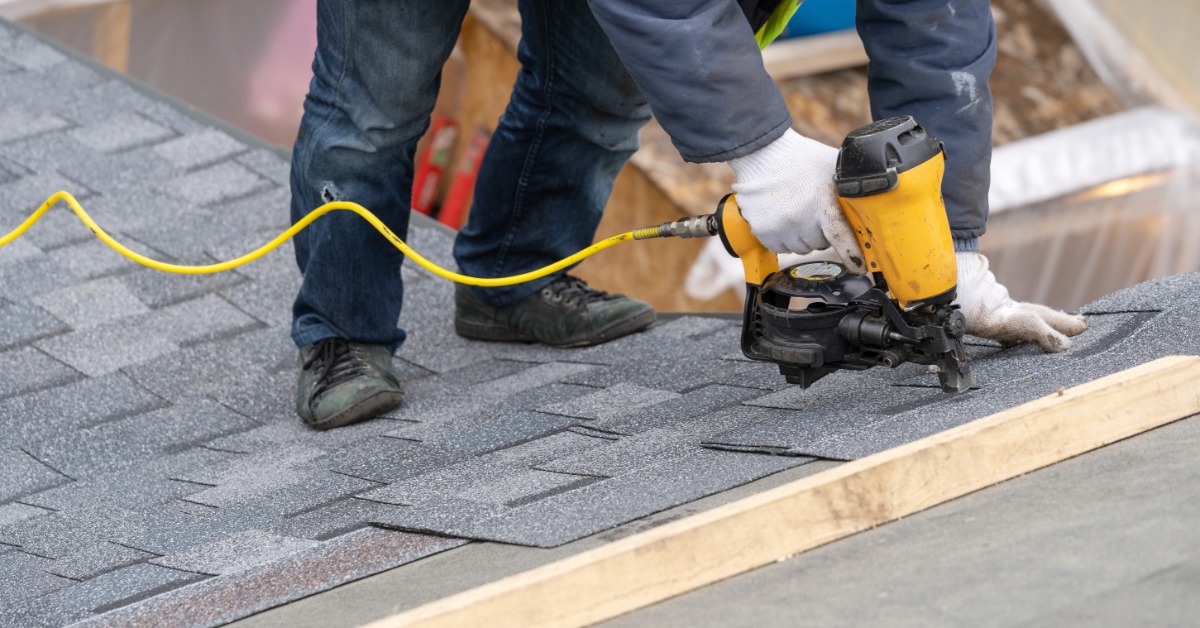
Strong wind, hail, heavy rain, and falling branches can create immediate roofing problems. After a storm, look for broken shingles, punctures, dented flashing, displaced materials, clogged drainage paths, or debris on the roof surface. Storm damage may seem isolated, but hidden impact can weaken surrounding materials too.
Fast post-storm inspection matters because small openings allow water to enter at the next rain event. Insurance documentation may also depend on timely evaluation and clear records of the damage. Bringing in a professional right away helps protect both your property and your repair options.
10. Light Showing Through the Attic
If you can see daylight coming through the roof boards in your attic, water can get through those same openings. Light around penetrations, seams, or decking gaps can reveal broken materials, poor sealing, or structural movement. This sign points to a direct breach in the roof system.
An attic inspection can also reveal damp insulation, dark wood staining, or soft decking near those openings. These clues show that the issue may have progressed beyond a simple surface problem. Immediate repair helps stop further moisture intrusion and reduces the risk of widespread hidden damage.
Why Immediate Roof Repair Matters
If you notice any of these signs, you should not hesitate to schedule a professional inspection. Roof damage does not stay contained for long. Acting quickly protects your property, helps preserve the life of the roof, and reduces the chance of major structural or interior damage. The sooner you schedule an inspection, the sooner you can stop the damage from moving further.
Protect Your Property Before the Damage Worsens
If you’ve noticed any of these signs on your roof, Midwest Roofing can help. Contact Midwest Roofing today to schedule an inspection and get trusted help with the repairs your property needs.